Activate the Coliazul Cultural Commons in Diamante Valley in 12 Months
By Diamante Bridge CollectiveAbout This Project
Introduction to the Metaproblem
Climate change and economic inequality require solutions that move at the speed of community.
Around the world, communities are building regenerative solutions — restoring ecosystems, educating children differently, protecting watersheds, and strengthening local economies. Yet the infrastructure to fund and stabilize these systems rarely exists at the grassroots level.
Too often, eco-projects focus only on structures — buildings, land, or branding — without funding governance, education, and stewardship systems that make regeneration durable.
Regeneration is not a building.
It is a living system of governance, land care, culture, and education working together over time.
To build well, and build together, we must invest in the human, ecological, and organizational foundations that allow communities to steward their futures responsibly.
Core Problem in the Bioregion
Diamante Valley, located in the Barú-Osa Bioregion of Southern Costa Rica, is one of the most ecologically rich areas in the country, yet it faces real challenges:
- Land speculation and rapid development pressure.
- Limited access to holistic rural education infrastructure.
- Steward burnout in community-led initiatives.
- Underfunded governance systems.
- Fragile watershed and soil systems vulnerable to erosion and climate shifts.
While the region attracts global attention for biodiversity and ecotourism, local communities often lack long-term funding for:
- Transparent governance.
- Youth education rooted in ecological literacy.
- Land stewardship structures.
- Participatory, community-led development.
Without stable funding, projects risk fragmentation.
Momentum slows. Leadership burns out. Land care becomes reactive rather than preventative.
Proposed Solution
The Coliazul Cultural Commons is a Waldorf-inspired, bamboo-built, community-governed learning center rooted in Diamante Valley.
This campaign activates 12 months of:
- Governance stabilization
- Phase 1 bamboo construction
- Waldorf-inspired children’s programming
- Land stewardship and ecological care
- Grant administration and compliance systems
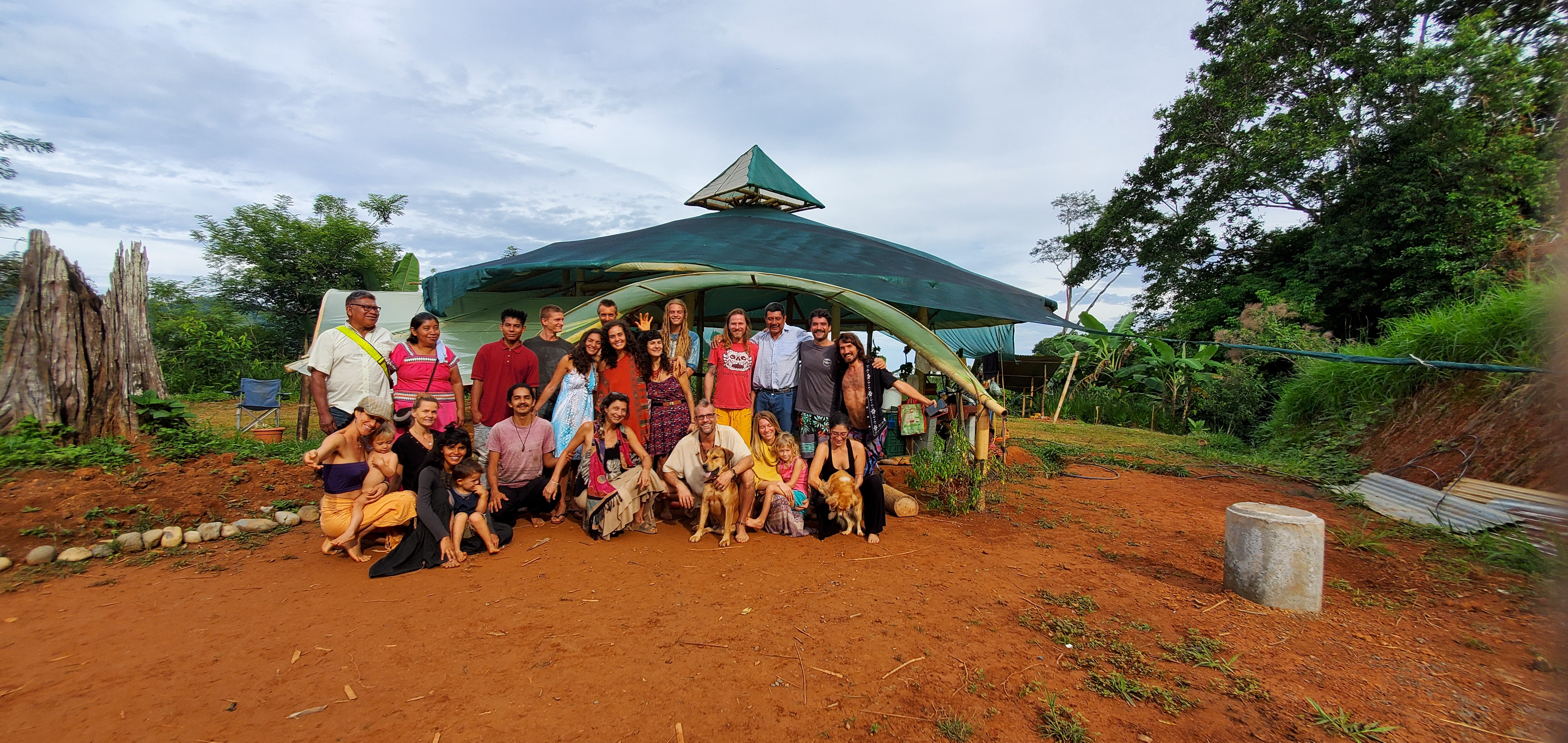
Coliazul is stewarded through the Diamante Bridge Collective, in collaboration with Diamante Luz Trust and the Greater Brunca Bioregional Consortium.
This is not just funding a building.
It is investing in the human, ecological, and governance infrastructure required to build well, and build together.
Together, we are weaving a Cultural Commons where:
- Children learn in rhythm with nature.
- Governance is transparent and sociocratic.
- Land is stewarded for generations.
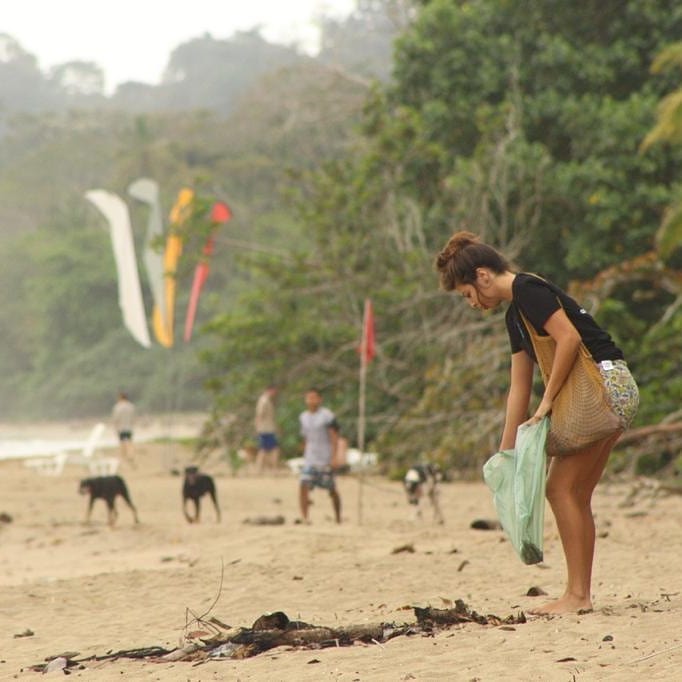
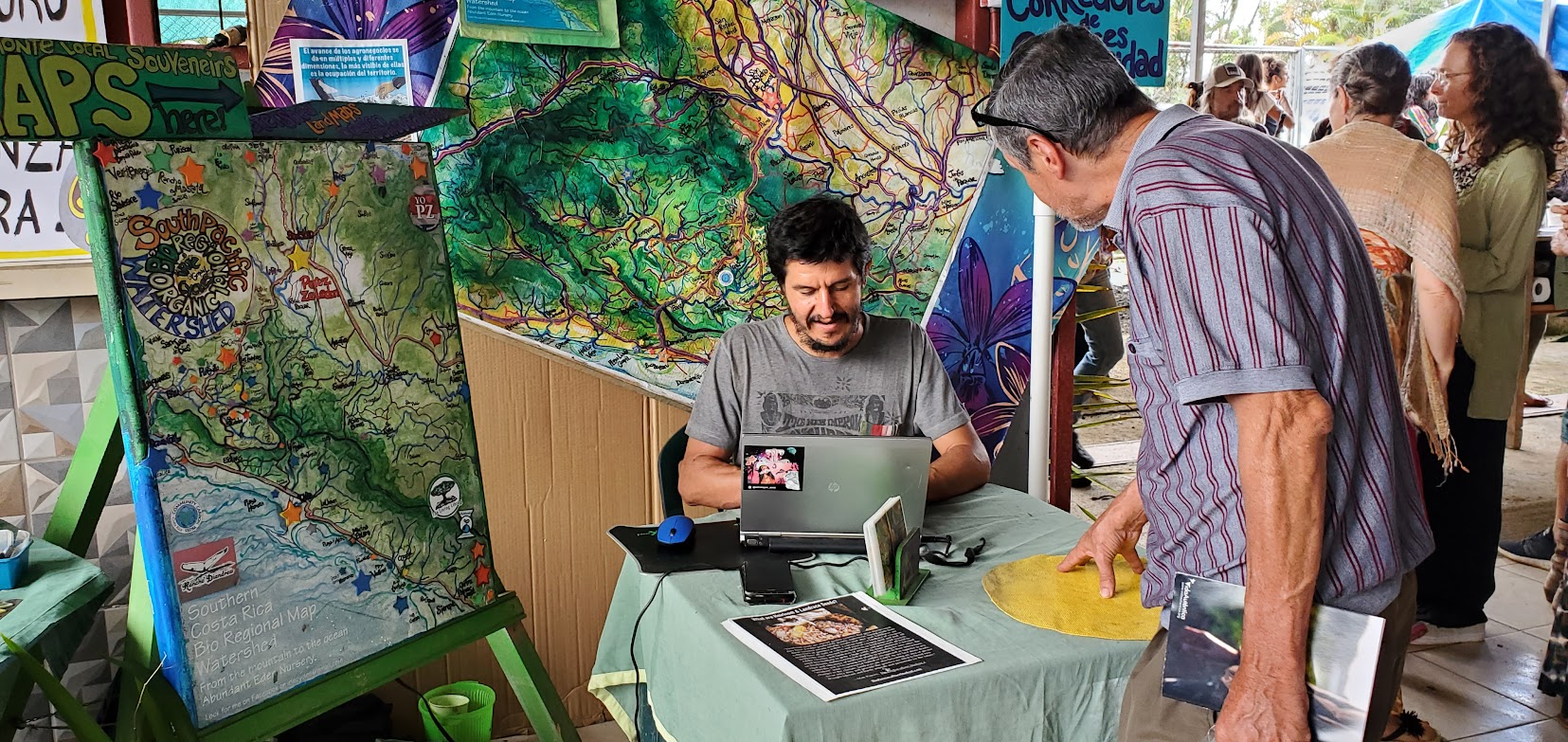
- Community initiatives like recycling, watershed restoration, and cultural salons are supported.
- Bioregional equity and ecological justice are practiced locally.
What Makes It Unique
1. Governance Comes First
Leadership roles, committees, and sociocratic systems are funded alongside construction. This reduces burnout and strengthens transparent decision-making.
2. Bamboo & Regenerative Architecture
Phase 1 construction uses bamboo and tropical ecological design, a renewable, climate-adaptive material suited for Costa Rica’s environment.
3. Holistic, Waldorf-Inspired Education
Programming nurtures the whole child, intellectual, emotional, physical, and spiritual, rooted in nature-based learning.
4. Land Protected Through Trust Stewardship
Diamante Luz Trust safeguards watershed, soil, forest, and biodiversity systems hosting the Commons.
5. Decentralized, Transparent Funding
Through U.S. fiscal sponsorship and compliance systems, grassroots initiatives gain access to scalable, accountable philanthropic flows.
6. A Living Cultural Commons
Coliazul is not just a building.
It is a living ecosystem where governance, land, culture, and education grow together.
Why People Should Donate
This campaign is for you if:
- You’re tired of eco-projects that focus only on structures and not systems.
- You believe education should nurture the whole child.
- You understand governance, land care, and culture must be funded alongside construction.
- You want to support a transparent, participatory model rooted in place.
- You believe regeneration starts locally — but inspires globally.
Your contribution stabilizes a regenerative education ecosystem for the next 12 months.
Without this funding:
- Construction slows.
- Steward burnout increases.
- Governance weakens.
- Land care becomes underfunded.
With this funding:
- Core structures come under roof.
- Programming remains active.
- Governance is stabilized.
- Land is protected.
- The Commons matures responsibly.
You are not just funding infrastructure.
You are strengthening a living system.
Call to Action
Donate Now to Activate the Coliazul Cultural Commons
Help build bamboo classrooms.
Sustain holistic education.
Protect land permanently.
Strengthen participatory governance.
Support a community-governed ecosystem of regeneration in the Barú-Osa Bioregion.
Coliazul is not just a building.
It is a living Cultural Commons.
And this year of activation ensures it grows with integrity, accountability, and deep roots.
Project Impacts
No Sustainable Development Goals linked yet.
Governance & Mobilization Foundation
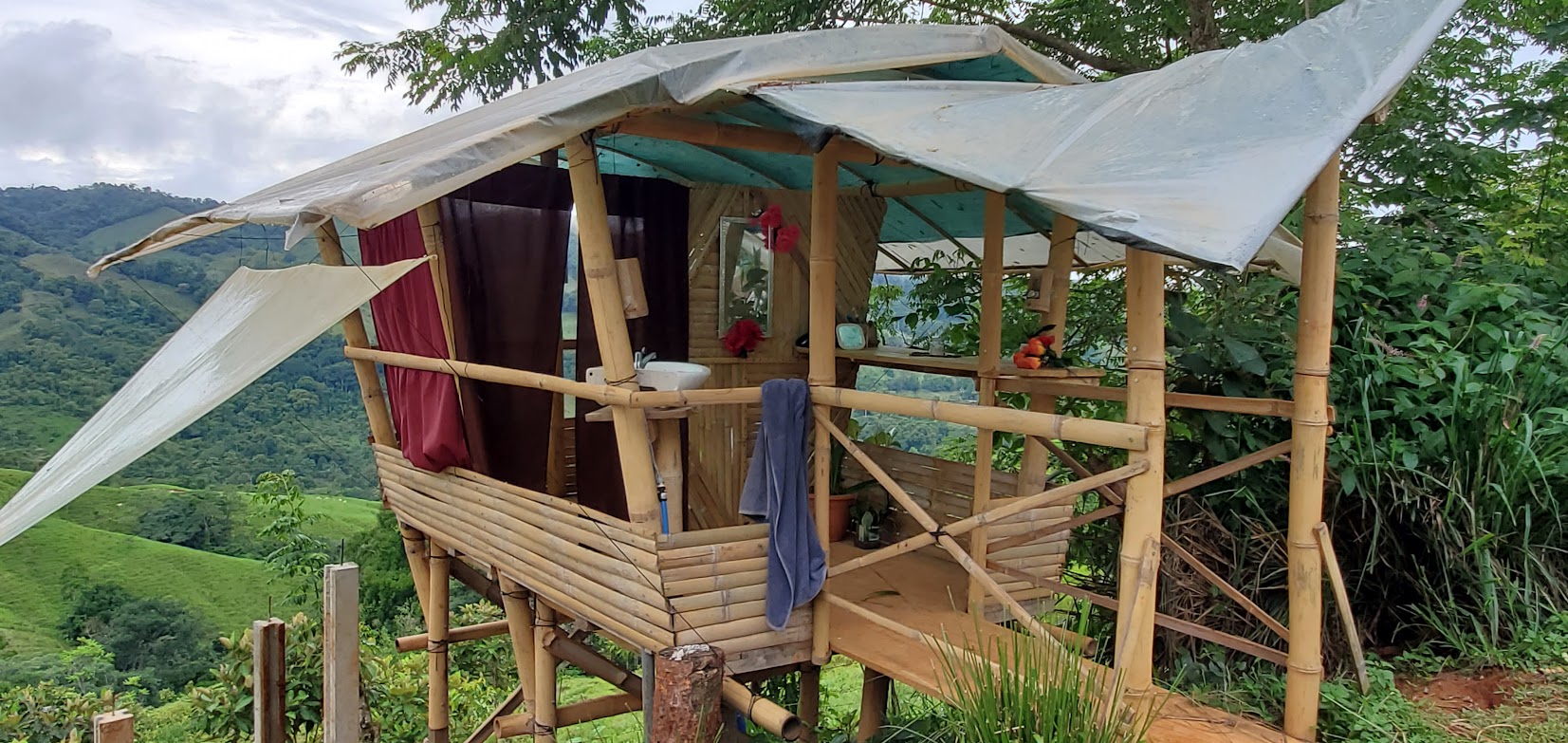
Bamboo Construction
Construct the Multifunctional Workshop Building including structural bamboo framing, roofing, and sanitation systems using regenerative tropical architecture.
Why it matters:
This milestone brings the Cultural Commons physically under roof, cre
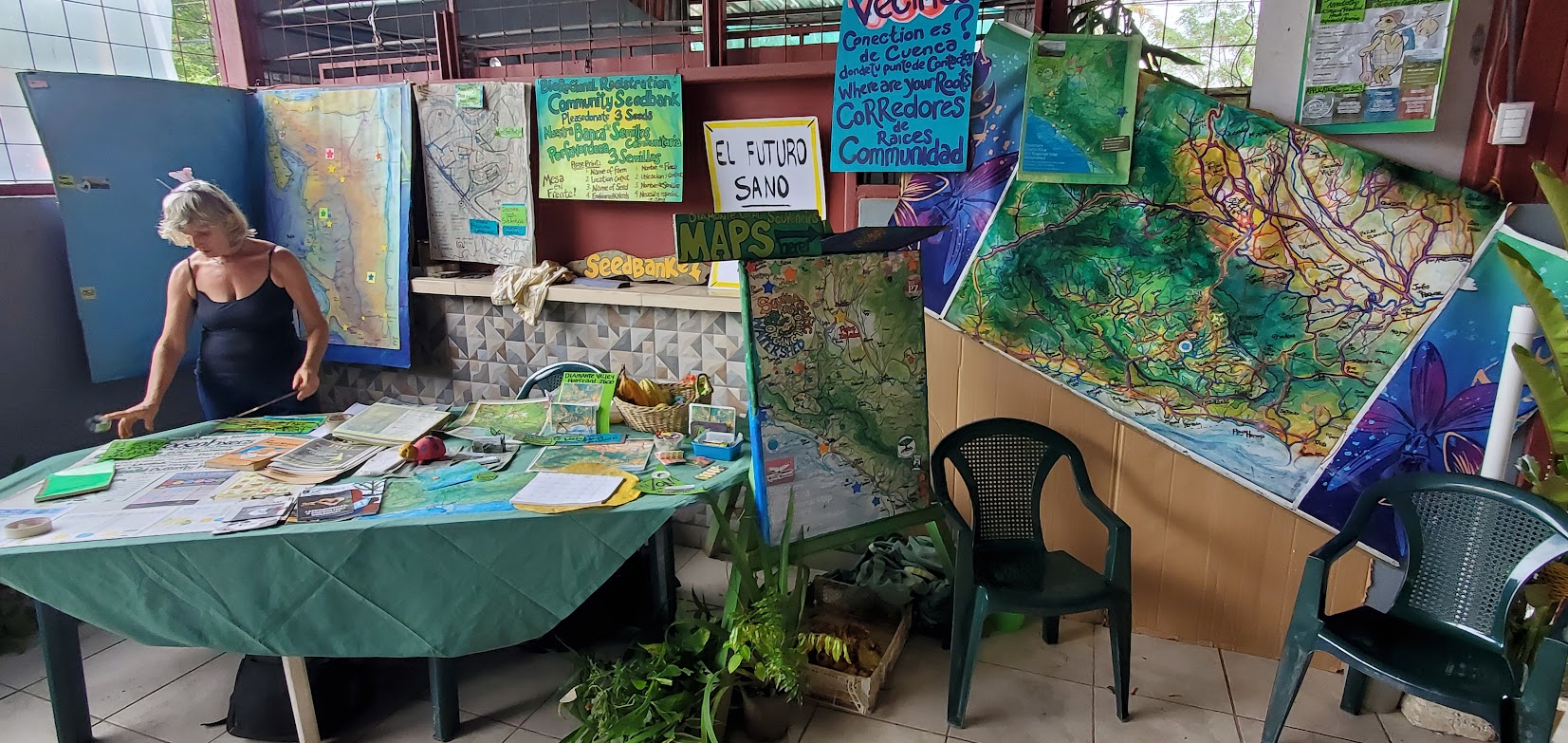
Program Continuity & Community Activation
Sustain one full year of Waldorf-inspired children’s programming, cultural events, recycling collaborations, and watershed initiatives.
Why it matters:
A Cultural Commons must remain socially alive — not just physically built. This milestone en
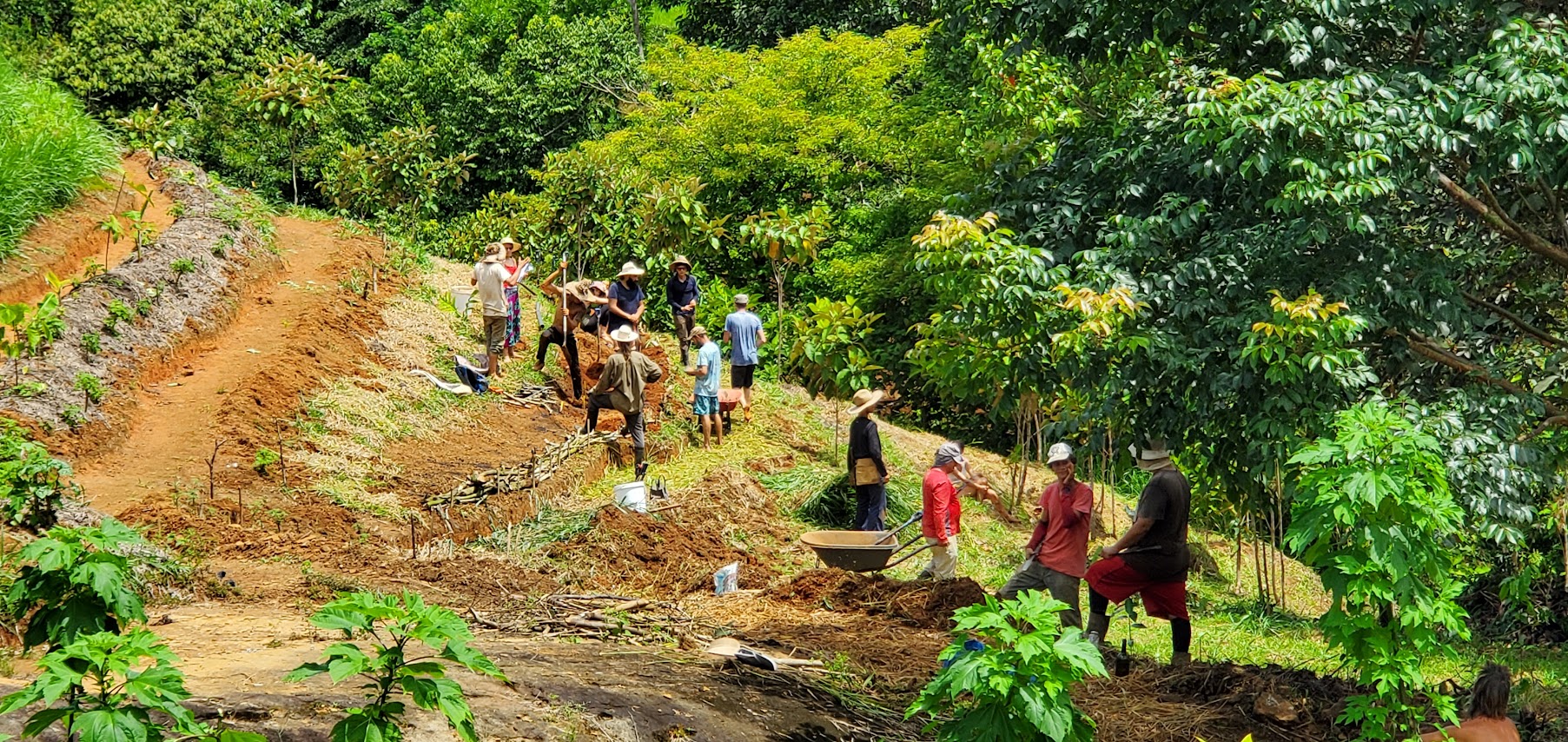
Land Stewardship & Ecological Protection
Implement erosion control, reforestation, watershed protection, and steward labor through Diamante Luz Trust.
Why it matters:
The Cultural Commons exists within a fragile tropical ecosystem. Protecting soils, water, and biodiversity ensures the
Diamante Bridge Collective
We are creating foundational agreements and more regenerative economies that empower us all to take better care of our bioregion, our neighbors and ourselves."
Support This Project
.jpg?alt=media&token=81e7a811-b9f8-4b18-a135-260403af049a)